




The most common composting mistakes. What should you not do?

Compost is an ecological and very fertile fertilizer that we can obtain using waste from the house and garden. However, improperly prepared can harm your plants. What mistakes when composting should not commit to avoid it? How not to make compost? What should you not put in the composter? Here are the mistakes in composting that happen to Everyone.
Mistakes in composting
1. impermeable substrate
The compost matter should be in contact with the soil so that it can enter soil bacteria, earthworms and other organisms that accelerate decomposition and have a positive effect on the quality of the compost. Therefore, the composter should not be placed on an impermeable surface – concrete, stones, tiles, etc.
2. excessive moisture or overdrying
It is also very important that the composter stand in a relatively airy and at the same time somewhat sheltered place, to ensure access to oxygen and avoid excessive drying of the top layer of scraps. For the same reason reason, the composter should not be placed in full sun. If on the other hand, if the waste becomes dry, the composter should be moderately pour water over it.
About how to make a composter and where to put it, you will learn learn more from our article: How to make a composter? Here are 3 simple ideas
3 No layers
Leftovers in the composter should be stacked to form alternating layers – once dry and hard (branches, bark), and once wet and soft (grass, kitchen scraps). Otherwise, the compost can clump together into an oxygen-impermeable wet mass, and this in turn creates ideal conditions for the ideal conditions for the growth of pathogens and causes the remains to rot.

4. compacting the waste
Another mistake in composting is compacting the scraps. The structure of the pile should be loose, so from time to time occasionally shuffle the waste, for example, with a pitchfork. In this way, the layers will have a supply of oxygen, and the finished compost will sink to the bottom.
5. dumping all the leftovers from the garden.
Nettle, periwinkle, and decomposing plants such as horsetail, thrown in right away after picking, can take root in the compost pile, making them start to grow in it. grow. To prevent this and not lose valuable compost material, simply dry them out first. The same is true for mature weeds with seeds, which after time can germinate in the compost soil causing weeds in the garden.
6. animal waste in the compost pile.
Animal waste (except egg shells) should not be disposed of in the composter. with the exception of egg shells), and therefore meat, fat, bones, bones, scales etc. They delay the decomposition process, and their smell attracts rats.
7 Lack of diversity in waste.
To get good quality fertile compost, you need to compost both wet as well as dry waste. The former are a source of nitrogen (grass, peelings, green shoots), while the second is a source of carbon (dry leaves, branches, ashes). What more – mixing such waste together speeds up composting, because the scraps do not clump together and have access to oxygen. Optimal ratio of "fresh" waste to dry waste is 2:3.
8. failure to vaccinate the pile
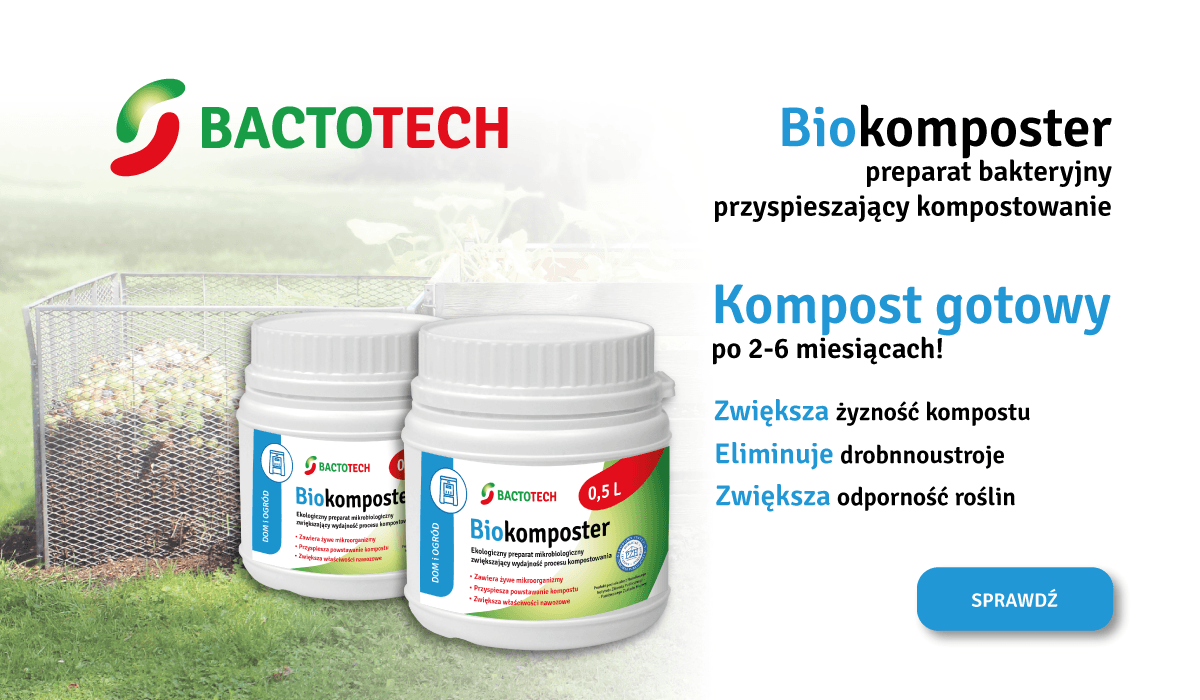
Fresh compost material should be inoculated by adding beneficial soil bacteria, which accelerate decomposition and increase the fertility of the fertilizer. For this, the compost heap can be sprinkled with soil or natural Biokomposter composting bacterial preparation. It is recommended especially in the case of new composters, in which the composted matter is poor in beneficial microorganisms.
9.Using immature compost
It is also a mistake to use immature compost to fertilize plants, and this is due to the fact that in such material decomposition processes are still taking place and harmful gases are produced. On the other hand, it can be used to mulch flowerbeds.
See video: How to check if the compost is ready?
https://www.youtube.com/watch?v=rshb9-FT4q8
10. leaving the compost alone That's practically everything when it comes to such most common mistakes in composting. The last of them concerns the approach – to get a really fertile fertilizer, you need to spend some time and work on its preparation. That's why it's worth emphasizing that the compost pile needs to be looked after – check whether the moisture level is appropriate, stir the scraps from time to time, remove moldy or rotten waste. Otherwise, decomposition can proceed very slowly, and harmful
pathogens, making the finished compost unfit for use anyway. Now you know what mistakes in composting should be eliminated in order to prepare a nutrient-rich organic fertilizer on your own.