


Organic fertilizer: what to make compost from?
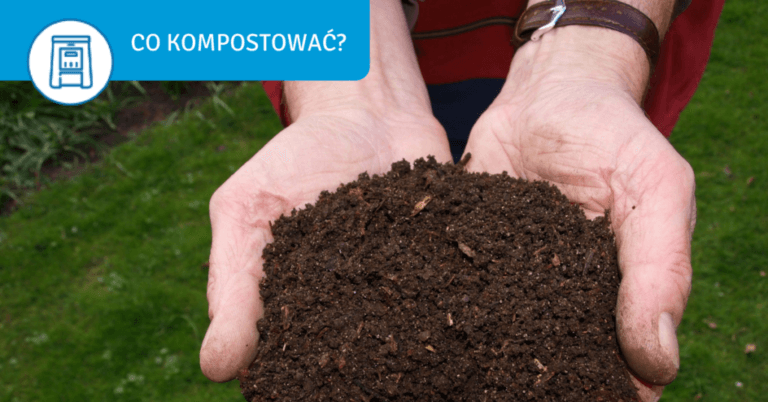
Compost is called the "black gold of gardeners" for a reason. Thanks to it in a simple and natural way you can enrich the soil with valuable humus. From what to make compost? What organic scraps can be used to produce homemade organic fertilizer?
Both in the garden and at home we will find plenty of natural waste that we We can use to produce homemade fertilizer. From what to make compost? From what organic scraps will we get a humus-rich fertilizer? Here are some ideas you may not have known.
Compost from leaves
From dry leaves you will not only make nutritious compost, but also protect your plants from frost. In autumn, cover flower beds with them or spread them around shrubs. In the spring, add the leaves to your compost pile. Before you do this, try to trample them you can also cut them with a lawn mower – this way they will will start to decompose faster.
What kind of leaves to compost? Suitable will be leaves from fruit trees and shrubs, and from ornamental tree species, such as hornbeam, birch, maple, ash, poplar, elm, linden, etc.
What leaves should not be composted? Avoid composting leaves of: oak, walnut or chestnut. They contain a lot of plant tannins and too little nitrogen in relation to the amount of carbon, which slows down the process of composting for up to three years.

Compost from sawdust
We can compost both sawdust from coniferous trees (they need a shorter decomposition time for components assimilable by plants), as well as from deciduous trees. deciduous trees (in their case the process will be longer). However, it is worth making fertilizer from sawdust, as it is a source of valuable humus.
What should you pay attention to? Do not add too much to the heap of sawdust. It is necessary to mix them with other components of the compost. Otherwise they will they will slow down the process. For composting, do not use sawdust from wood subjected to preserved, due to the presence of harmful chemical compounds.
Remember! Compost from conifer sawdust and conifer needles and cones will be have an acidic reaction, so prepare a separate composter for it. Such fertilizer will be best for acid-loving plants, such as azaleas, raspberries, blueberries, magnolia or heather.
Compost from bananas
Bananas and their peels are a great addition to full-fledged compost. Why? They quickly decompose when exposed to high temperatures (the temperature of decomposing plant residues in compost ranges from 20 to 40℃) and contain a lot of potassium. As a result, they speed up the decomposition of the remaining elements elements. If you decide to add bananas or their peels to your fertilizer, be sure to cut them beforehand.

Compost from tea bags
Tea leaves have a large amount of nutrients in them, including tannic acid tannic acid, which improves the quality of the soil. Tea compost contains about 4% nitrogen and 0.5% phosphorus. The acid in tea effectively accelerates the formation of humus. Thanks to tannic acid, bacteria also develop, which enrich the humus.
What happens to the tea bag? Scientists prove that most of the tea bags are biodegradable because they are they are produced from abaca, a fiber secreted from the leaf sheaths of the banana manila.
How do you check if tea bags are suitable for compost? Simply, set the edge of the bag on fire. If you smell the smell of plastic, and the ignited surface begins to melt, the bag is synthetic. In other cases case, we can use our tea bags for composting.
Compost from wood ash
Fertilizer from ash contains the potassium, phosphorus, calcium and microelements. It does not contain nitrogen, as it is released into the atmosphere in the process of burning wood. What should be paid attention to when adding ash to the compost? You need to lower the pH in the compost pile, because ash has an alkaline reaction -. 10 pH at least.
How to lower the pH in the composter? Just add to it organic scraps that will acidify it, such as: needles from coniferous trees, bark wood, pinecones.

Compost from grass
Compost from grass has a lot of nitrogen in ammonium form, which promotes faster decomposition of food scraps in the compost pile and helps the growth of plants in the growth phase. We recommend using it with other types of material composting material, because fertilizer from grass gives off an unpleasant odor and restricts the the amount of air in the composter.
Read a separate article on composting grass. In it you will learn how to lay compost layers of grass and how to speed up the whole process.
What not to use for compost?
- Printed paper, colored newspapers,
- bones and meat scraps,
- leaves and fruits that have been attacked by the disease;
- citrus peels: they may contain harmful chemicals;
- yew needles and shoots (contain the poisonous alkaloid taxin),
- leaves of oak, alder and walnut ( contain tannins that inhibit the growth of other organisms),
- weeds that have already produced seeds; (they should be composted before they start producing seeds),
- cooked kitchen waste that is rotting (this will attract rodents),
- salted and greasy waste, because salt and fats slow down the decomposition of organic residues,
- bread and pasta, because mold will develop.
Faster composting
What will speed up the composting process? We recommend using a 100% natural bacterial preparation – Biocomposter. Not only will it effectively facilitate the decomposition of scraps. Thanks to the contained in preparation microorganisms will cleanse the compost from pathogenic bacteria and remove the unpleasant odor from the composter.

Check:
How to make compost from grass?
How to build a composter yourself?
Do you like ecological and proven solutions? Like us on Facebook and stay always up to date: